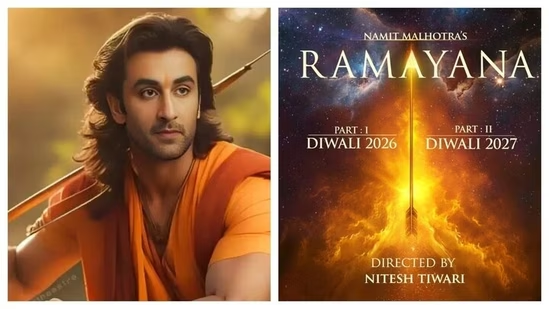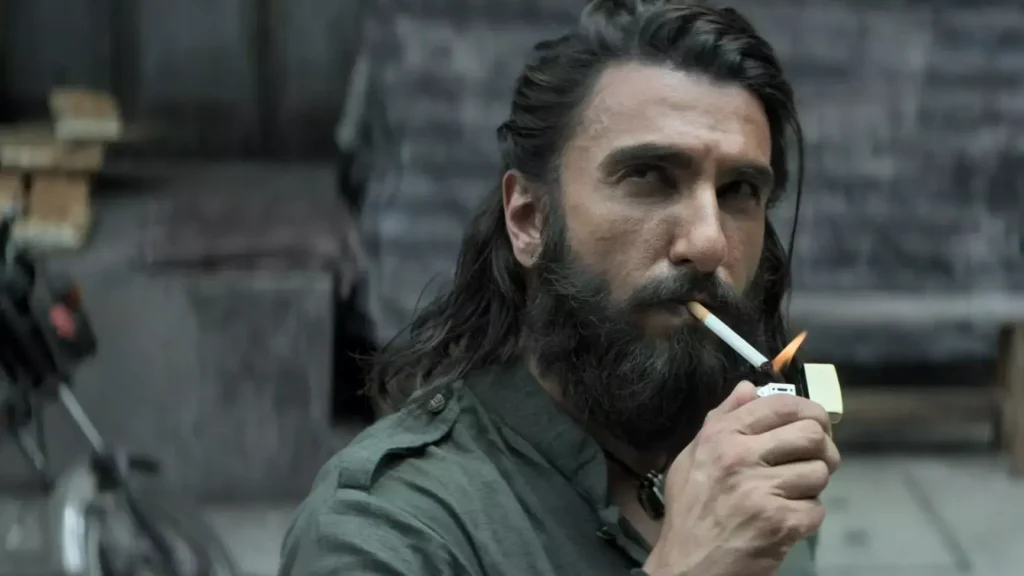
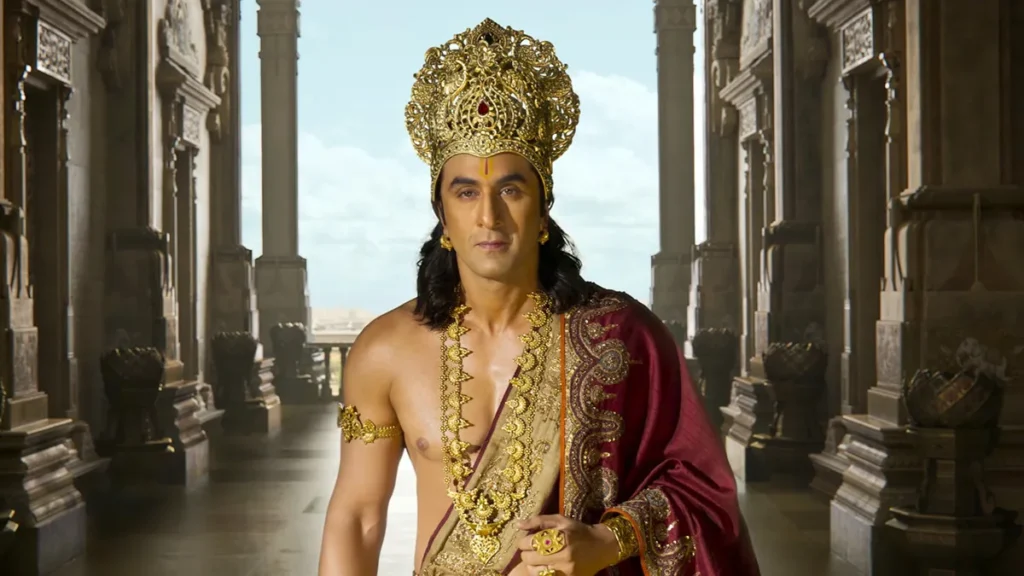
The much-anticipated teaser titled “RAMA” from the upcoming cinematic adaptation of Ramayana has finally been unveiled, igniting widespread discussion across audiences, critics, and fans of the epic. While the teaser has undeniably generated massive buzz and visibility, the reactions pouring in from different corners of the internet reflect a striking divide ranging from awe and excitement to skepticism and concern.
At first glance, the teaser impresses with its scale. Grand visuals, elaborate set designs, and cutting-edge VFX signal a production that aims to match global cinematic standards. The portrayal of Ayodhya, glimpses of divine elements, and the stylized presentation of Lord Rama suggest a vision that leans heavily into spectacle. For many viewers, especially younger audiences accustomed to large-scale fantasy films, this ambitious approach feels refreshing and long overdue for an epic of such magnitude.
However, not all responses have been celebratory. A significant section of the audience has expressed reservations about the tone and interpretation. Critics argue that while the teaser succeeds in visual grandeur, it appears to lack the emotional depth and spiritual gravitas traditionally associated with the Ramayana. Some viewers feel that the characterization of Rama, based on the teaser alone, leans more toward a cinematic hero archetype rather than the embodiment of dharma and maryada that has defined him for centuries.
Another point of contention is the heavy reliance on visual effects. While technically impressive, some audiences believe the VFX overshadow the storytelling, raising concerns that the film might prioritize spectacle over substance. Comparisons with earlier adaptations—especially those that focused more on narrative purity and devotional resonance have further fueled debate.
Social media has become a battleground of perspectives. Supporters argue that reinterpretation is essential to keep timeless stories relevant in a modern context. They see this version as an opportunity to introduce Ramayana to a global audience with a contemporary cinematic language. On the other hand, purists caution against excessive creative liberties, emphasizing that such a revered epic carries cultural and emotional weight that must be handled with sensitivity.
Interestingly, the mixed response itself highlights the enduring significance of Ramayana. Few stories command such passionate engagement across generations. The teaser has succeeded in one crucial aspect it has made people talk, debate, and reflect on what Ramayana means to them individually and collectively.
As the film moves closer to release, much will depend on how it balances visual ambition with narrative authenticity. A teaser, after all, offers only a glimpse. Whether “RAMA” evolves into a cinematic masterpiece or remains a visually striking yet emotionally distant retelling will ultimately be decided when the full story unfolds on the big screen.
For now, the conversation continues—and perhaps that, in itself, is a testament to the timeless power of the epic.